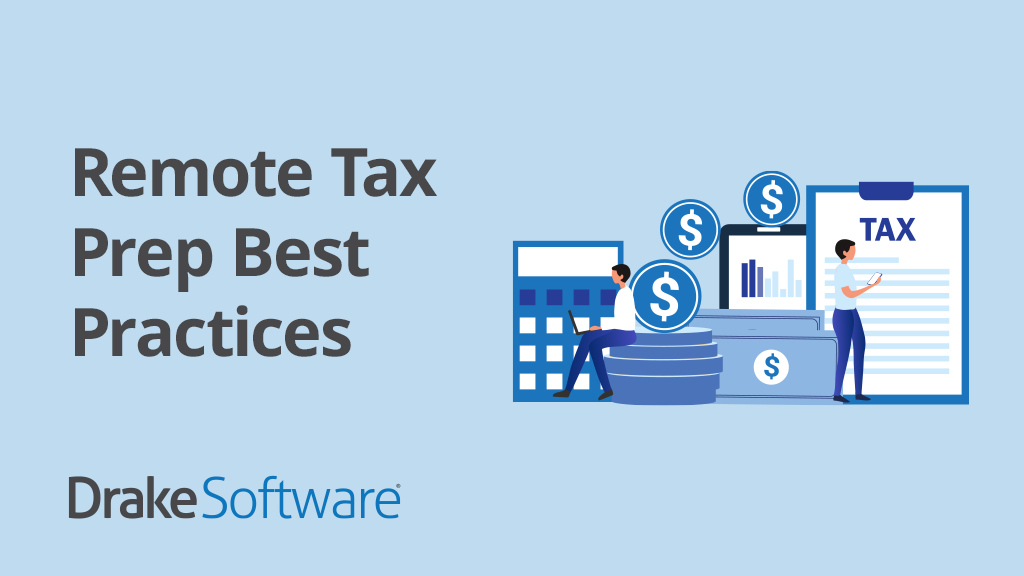
Remote work is no longer a temporary setup for tax professionals. For many firms, it is part of the standard workflow year-round. By 2026, the focus has shifted from simply “working from home” to creating secure, efficient, and client-friendly systems that support hybrid teams, digital collaboration, and compliance requirements.
Most tax professionals already have the basics in place: Internet access, tax software, email, and video conferencing tools. The next step is evaluating whether your current setup supports secure file sharing, digital signatures, cloud access, workflow automation, and client communication without creating bottlenecks during tax season.
Here are the key areas tax professionals should review when updating a remote-work setup for 2026.
Start with Secure Access and Reliable Connectivity
A stable broadband Internet connection remains the foundation of remote work. Preparers also need secure access to firm resources from multiple locations and devices.
At minimum, a remote setup should include:
- High-speed Internet access
- Multi-factor authentication (MFA)
- Antivirus and endpoint protection
- Secure Wi-Fi networks
- Encrypted file-sharing tools
- Regular data backups
Tax firms handling taxpayer data should also review IRS Publication 4557, Safeguarding Taxpayer Data, and the FTC Safeguards Rule requirements to help protect personally identifiable information (PII).
Use Secure Client Portals Instead of Email Attachments
Email alone is no longer enough for exchanging sensitive tax documents. Secure portals help reduce risk while giving clients a simpler way to upload documents, review returns, and complete electronic signatures.
DrakePortals allows tax professionals to:
- Exchange documents securely
- Collect electronic signatures
- Send and receive client messages
- Access files from mobile devices
- Apply firm branding to the client experience
For firms with remote or hybrid staff, centralized document access also helps reduce version-control issues and delays during peak season.
Practical Guidance
- DrakePortals® supports secure file exchange and integrated client communication workflows.
- E-Sign™ events allow clients to sign documents electronically without in-person meetings.
Reduce Manual Work with Tax Automation Tools
Remote work often exposes inefficiencies that are easier to overlook in a traditional office environment. Manual document organization and data entry can slow down preparation workflows and create additional review steps.
Automation tools can help firms improve consistency and reduce repetitive tasks.
These tools can be especially helpful for firms managing high return volume across distributed teams.
Evaluate Whether Cloud Hosting Fits Your Firm
Many firms that originally moved remote during the pandemic now operate in hybrid environments. Cloud hosting may help firms:
- Access software from multiple locations
- Simplify updates and maintenance
- Improve disaster recovery planning
- Support seasonal or remote staff
Whether cloud hosting makes sense depends on firm size, workflow complexity, IT support resources, and security policies.
Your Website Is Part of Your Remote Workflow
A tax professional website is no longer optional for remote or hybrid tax firms. Clients expect online access to information, contact options, appointment scheduling, and document exchange tools.
A modern digital presence can help firms:
- Improve client communication
- Support online appointment requests
- Share portal links and FAQs
- Attract new clients year-round
Most tax professionals already know how to work remotely. The bigger challenge in 2026 is maintaining secure, consistent workflows while meeting growing client expectations for digital convenience.
A strong remote-work setup should help your firm:
- Protect taxpayer data
- Reduce manual processes
- Improve collaboration
- Support flexible staffing
- Deliver a better client experience
Firms that regularly review their technology stack and workflow processes are often better positioned for both tax season efficiency and long-term growth.
To learn more about remote work best practices and staying secure, sign up for our upcoming webinar, Remote Tax Prep Done Right.
Disclaimer: This article is for informational purposes only and not legal or financial advice